
Last winter, I got a call at 2 AM from a friend whose elderly father had wandered off into the woods behind their property. The temperature was dropping fast, and conventional flashlights were useless in the dense forest. That night changed how I think about seeing in the dark – and it’s a story that explains why understanding the difference between thermal imaging and night vision might matter more than you think.
The Night That Changed Everything
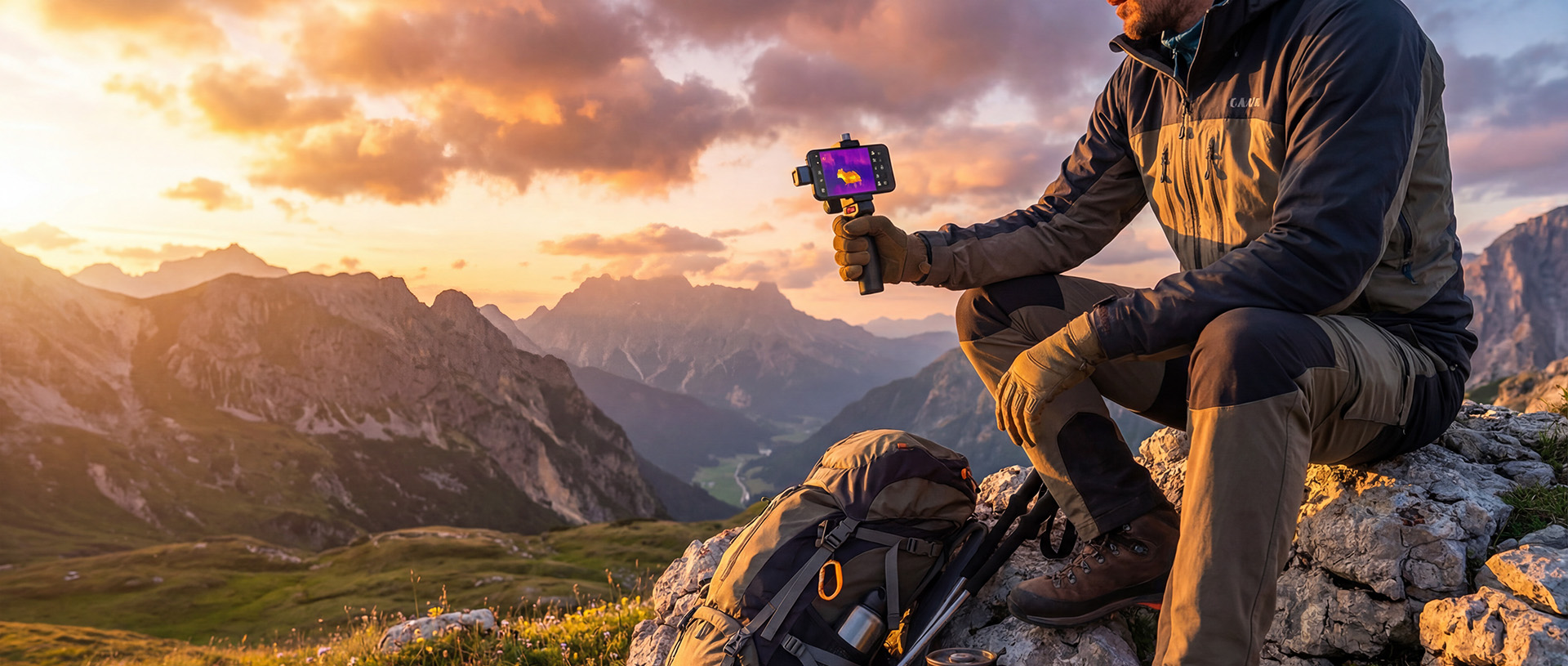
I grabbed my thermal camera and headed out. Within 15 minutes, I spotted a heat signature about 200 yards away – my friend’s father sitting against a tree, confused but safe. A night vision device would have struggled in that pitch-black forest with heavy tree cover. This wasn’t just theory anymore; it was real life showing me what each technology could actually do.
After spending over a decade working with both thermal imaging and night vision equipment – from building inspections to search and rescue work – I’ve learned that choosing between them isn’t about which is “better.” It’s about understanding what you’re really looking for.
How Thermal Imaging Actually Works (Without the Engineering Jargon)
Think of thermal imaging like having a sixth sense that detects heat instead of light. Everything around us gives off infrared radiation – a fancy way of saying heat energy. Your body radiates heat. Your car engine radiates heat. Even that coffee cup on your desk is radiating heat right now.
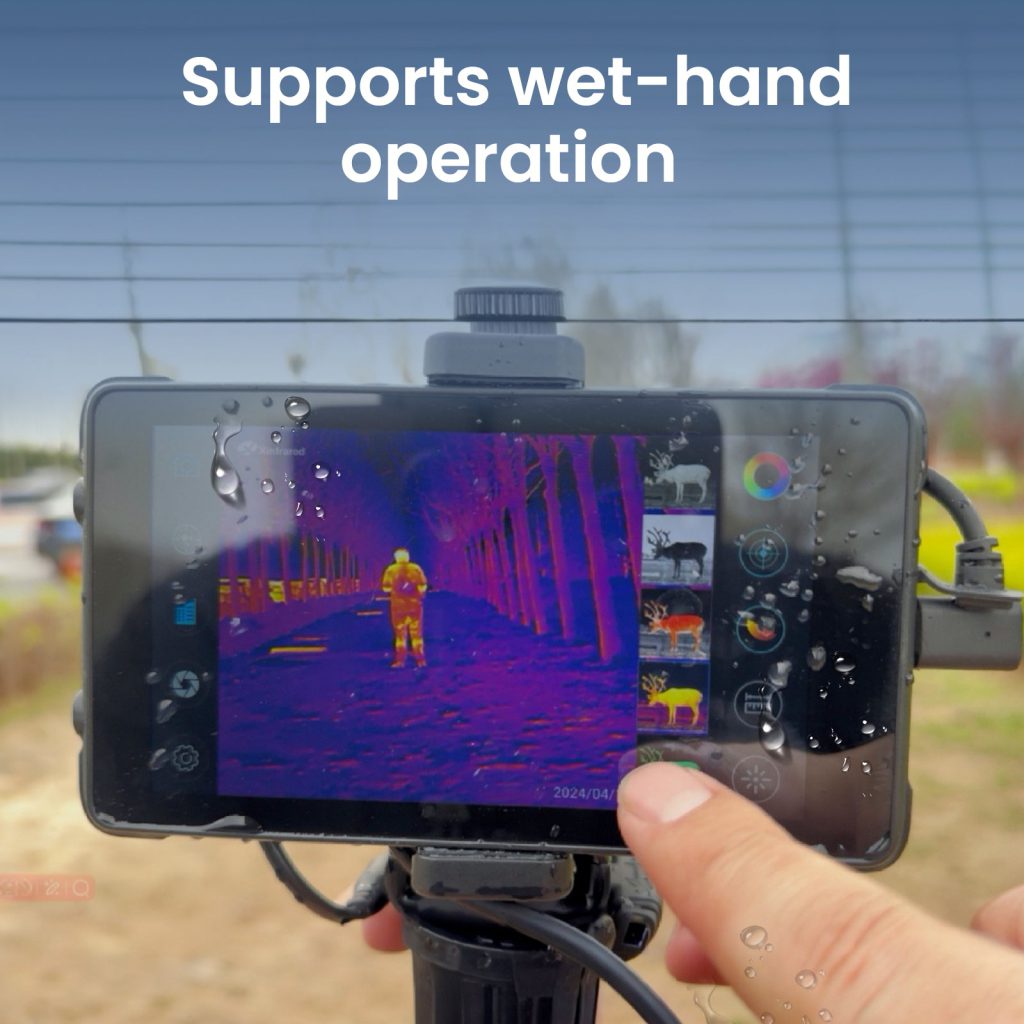
A thermal camera doesn’t need any light at all. It picks up these heat signatures and turns them into a visual image where warmer things show up bright and cooler things appear dark. I remember the first time I used a thermal imager to inspect a client’s home – I could immediately see where heat was escaping through poor insulation, something completely invisible to my eyes or any night vision device.
According to research from the Infrared Training Center, thermal imaging technology can detect temperature differences as small as 0.1°C, making it incredibly sensitive for spotting heat sources even through light smoke or fog.
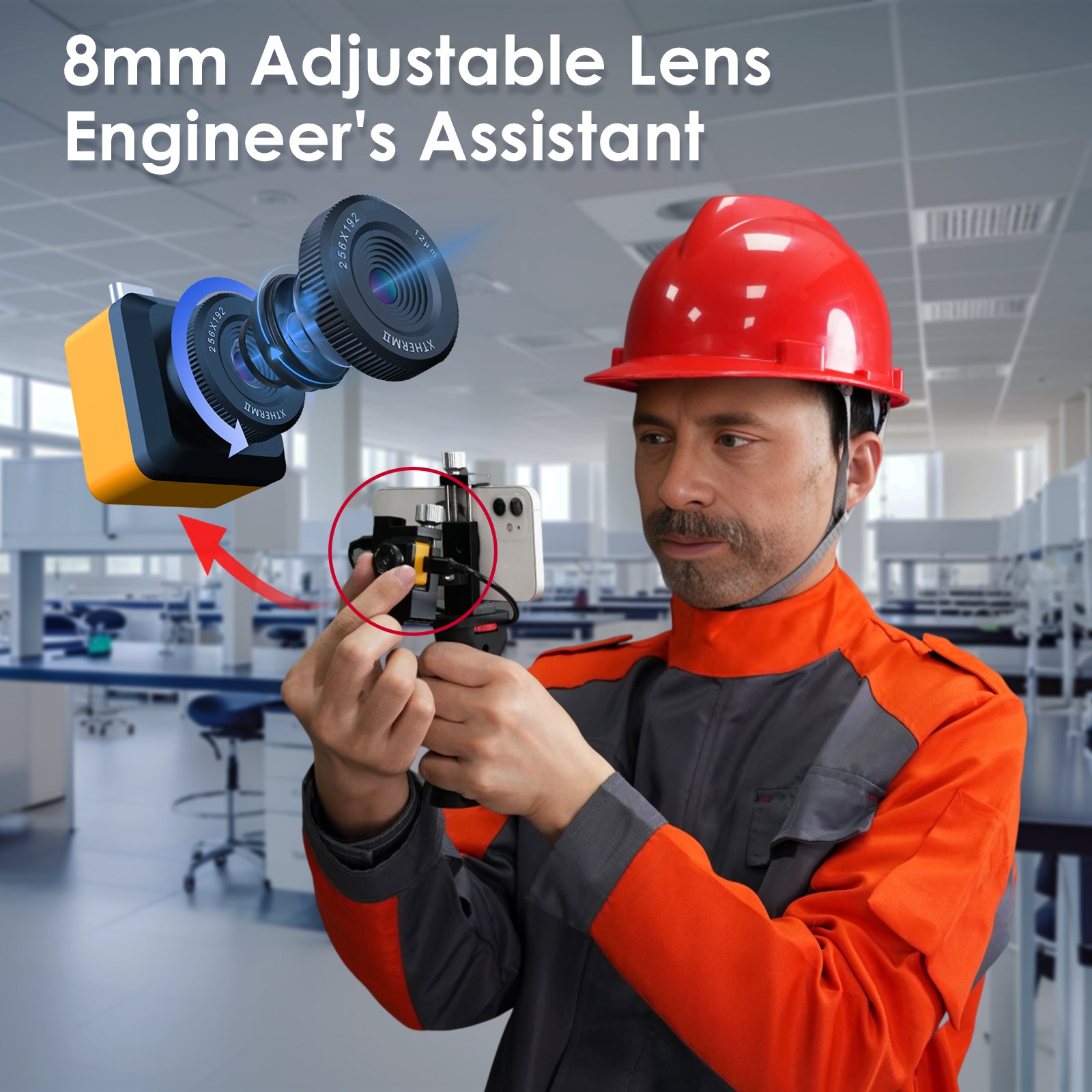
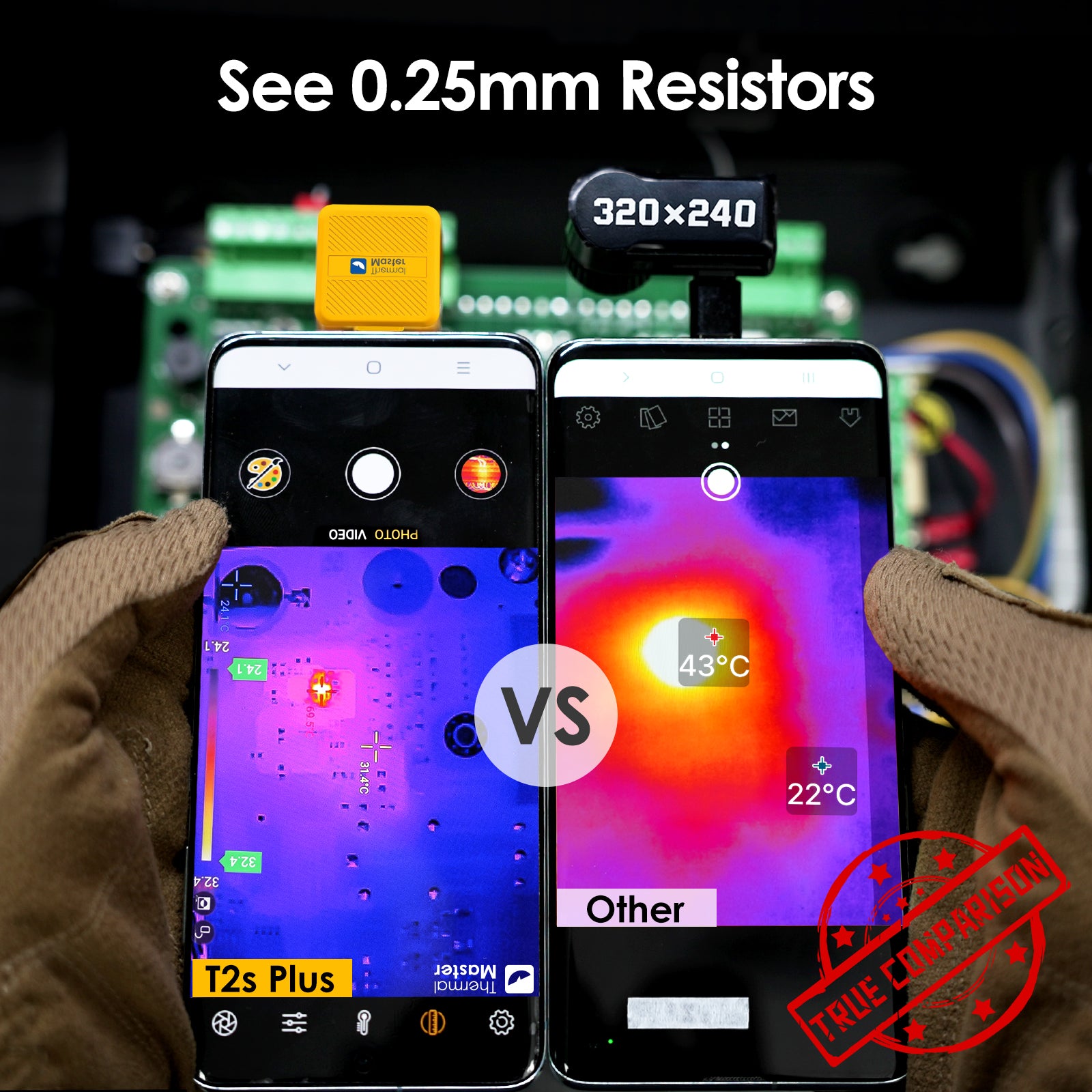
Modern thermal cameras have come a long way. I used to carry a heavy, expensive unit that cost more than my first car. Now, devices like the Thermal Master line fit in your pocket and connect right to your smartphone, making this technology accessible to regular folks who want to inspect their homes, track wildlife, or simply have a reliable way to see in complete darkness.
What Night Vision Really Does
Night vision works completely differently. Instead of detecting heat, it takes whatever tiny bit of light is around – moonlight, starlight, even distant streetlights – and amplifies it thousands of times. The result is that characteristic green-tinted image you’ve seen in movies.
I use night vision when I’m hiking at night or checking my property. It’s brilliant for seeing details like terrain features, identifying plants, or reading signs. But here’s the thing: it needs at least some light to work with. On a cloudy, moonless night in deep woods, night vision struggles. And if someone is hiding behind thick brush or in a completely dark building, you might walk right past them.
The U.S. military has been using night vision technology since World War II, and it’s evolved considerably. Modern Gen 3 night vision devices can work in extremely low light conditions. But they still fundamentally need light to amplify – unlike thermal, which needs no light at all.
Seven Real Differences That Actually Matter
Let me break down what I’ve learned from actually using both technologies in the field, not just reading about them.
1. The Light Question
This is the big one. I was once asked to help locate some equipment that had been dumped in an abandoned warehouse. The place had been sealed up for years – zero light coming in. My night vision device was basically useless. But with thermal imaging, I could see the heat signature of the machinery within seconds, even through some of the walls.
Thermal doesn’t care about light at all. Whether it’s noon on a sunny day or midnight in a cave, it works the same way. Night vision needs ambient light or it’s just showing you noise and grain.
2. What You Can Actually Detect
Here’s where it gets interesting. Thermal imaging is fantastic for finding living things – people, animals, anything with a heat signature different from its surroundings. Last spring, I helped a farmer who kept losing chickens to predators. We set up a thermal camera, and within two nights, we spotted a fox approaching the coop. The fox was completely hidden by tall grass, but its body heat gave it away.
Night vision, on the other hand, excels at seeing shapes, textures, and details. If you need to identify what type of animal you’re looking at, or read a license plate, night vision is your friend – assuming there’s enough light.
3. Dealing With Obstacles
One morning, I was checking a building that had experienced a fire the night before. Smoke was still drifting through some sections. My night vision couldn’t penetrate the smoke at all – it just reflected the light back. But thermal imaging cut right through it, helping me identify hot spots that were still smoldering.
According to a study published by the National Institute of Standards and Technology, thermal imaging can maintain detection capability through light smoke, fog, or dust that would severely impair visible light systems.
Thermal can see through these obstacles because it’s detecting heat, not reflected light. This makes it invaluable for firefighters, search and rescue teams, and anyone working in challenging visibility conditions.
4. The Detail Difference
I’ll be honest: thermal images don’t look “natural.” You won’t see colors, fine textures, or facial features. What you get is a heat map. Sometimes my clients are surprised when they first see thermal footage – they expect something more like regular video.
Night vision, though, gives you an image much closer to what your eyes would see in daylight. You can make out details, recognize faces, and navigate complex terrain. When I’m just walking my dog at night around the neighborhood, I prefer night vision because I want to see trip hazards, read street signs, and spot other people walking their dogs.

5. Daytime Performance
This surprises people: thermal imaging works during the day too. I’ve used it to inspect solar panels at noon, locate water leaks in broad daylight, and even spot deer bedded down in shaded areas where they’re almost invisible to the naked eye.
Traditional night vision, though, is strictly for low-light conditions. If you turn on a Gen 3 night vision device in daylight without the protective cap, you can damage it. Some newer digital night vision can work in day and night, but traditional analog night vision is purely nocturnal.
6. Real-World Applications
After years of working with clients, I’ve noticed clear patterns in who needs what. Home inspectors, electricians, and HVAC technicians almost always choose thermal imaging. Why? Because they’re looking for heat signatures – overheating circuits, air leaks, moisture problems behind walls.
Wildlife photographers, hunters, and security professionals often lean toward night vision because they need to identify specific details and watch behavior. Someone monitoring a property wants to see if that shadow is a person, an animal, or just a tree branch moving in the wind.
The Forest Service has been using thermal imaging for wildfire detection and monitoring, as it can spot heat signatures from potential fire starts that would be invisible to conventional cameras or night vision systems.
7. The Money Question
I won’t sugarcoat it: quality thermal imaging used to be expensive. When I started out, a decent thermal camera cost $10,000 or more. That’s changed dramatically. You can now get capable thermal cameras for under $500, especially phone-based models like the Thermal Master P2 or P3 that work with your smartphone.
Night vision still offers more options at lower price points – you can find basic night vision monoculars for $200-300. But the gap is narrowing, and thermal technology is becoming more affordable every year.
When I Reach for Thermal Imaging
Based on my experience, I grab thermal imaging when I need to find something that’s warmer or cooler than its surroundings, especially when:
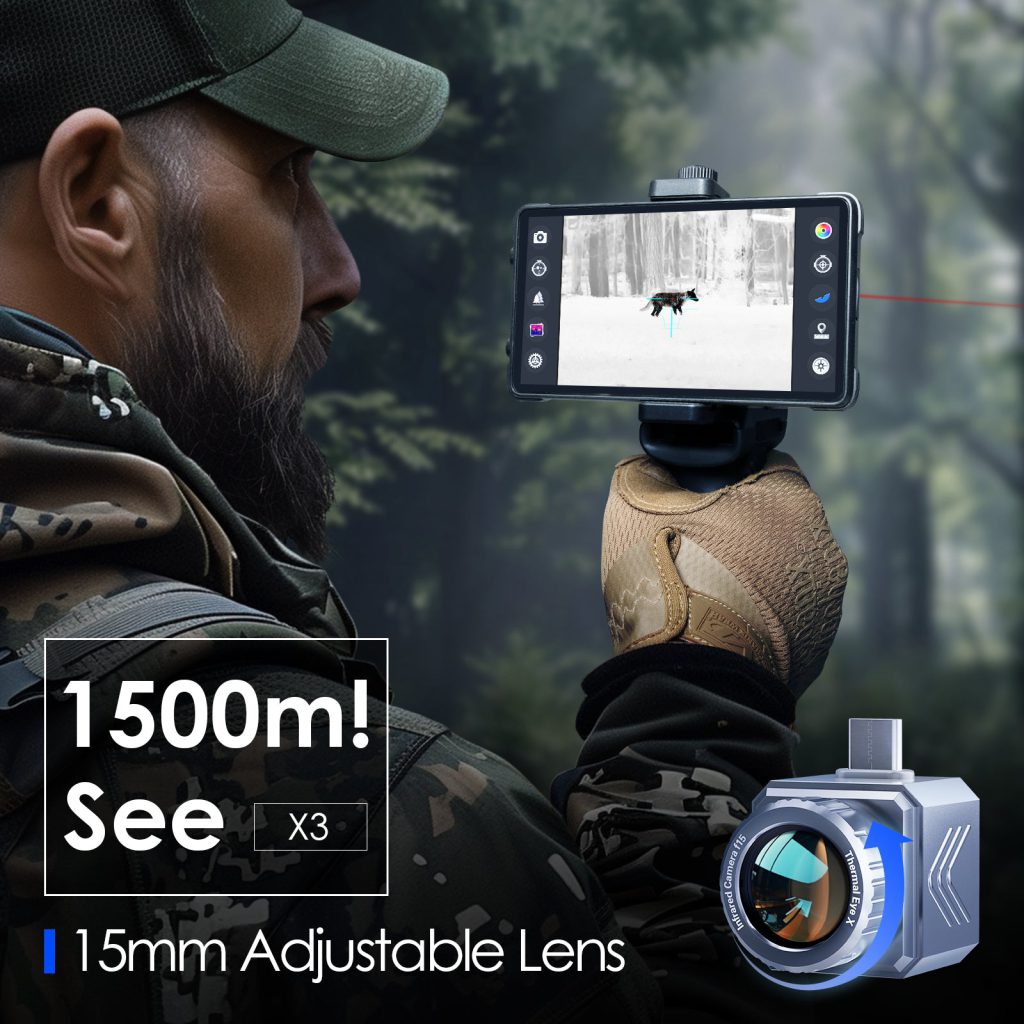
Working in total darkness with zero ambient light – like inspecting crawl spaces or attics Searching for people or animals in dense vegetation or challenging terrain Looking through light obstacles like fog, smoke, or dust Detecting temperature anomalies that indicate problems (electrical issues, insulation gaps, moisture intrusion) Operating in any weather or lighting condition without worrying about adaptation
Last month, I helped a neighbor who suspected animals were getting into their attic. With thermal imaging, I could scan from outside and immediately see the heat signatures of raccoons nestled in the insulation – no need to climb up there in the dark with a flashlight.
When Night Vision Makes More Sense
I still keep night vision in my kit because there are times when it’s the better tool. I use it when:
I need to see fine details, textures, or identify specific features Navigating terrain where seeing natural visual information matters Working in low light but not complete darkness – like walking through woods on a moonlit night Budget is tight and I just need basic night visibility Reading signs, checking equipment labels, or doing any task that requires seeing printed information
A few weeks ago, I was helping a friend check his rural property fence line at dusk. Night vision was perfect – we could see the fence posts clearly, spot any damage, and even read the property markers. Thermal would have just shown us temperature differences, not the physical details we needed.
So Which Should You Actually Buy?
Here’s my honest advice after all these years: think about what you’ll actually use it for most often.
If you’re a homeowner interested in energy efficiency, checking electrical panels, or finding water leaks, thermal imaging is worth the investment. Devices like the Thermal Master Thor or P3 give you professional-grade capabilities at consumer prices. I’ve seen these tools pay for themselves quickly when they help identify problems before they become expensive repairs.
If you’re into outdoor activities like hiking, hunting, or wildlife observation, night vision might be more practical for seeing and identifying what’s around you. You’ll appreciate the natural-looking image and ability to spot details.
For search and rescue, security work, or professional applications, many people end up with both – because each has situations where it’s clearly superior. I keep both in my truck, and I’m glad I do.
The Bottom Line From Someone Who Uses Both
After ten years and hundreds of situations using both technologies, I’ve learned that thermal imaging and night vision aren’t competing tools – they’re complementary ones. Thermal imaging reveals what’s invisible to our eyes by showing heat patterns, working anywhere, anytime, regardless of light conditions. Night vision enhances what our eyes can already do, amplifying available light to show natural visual details.
The question isn’t really “which is better?” – it’s “which one solves the problem I’m facing right now?” For me, that answer has changed from job to job, night to night. Understanding how each technology actually works in the real world, not just in theory, helps you make that decision confidently.
Whether you’re securing your property, exploring the outdoors, inspecting your home, or pursuing professional work, knowing these differences means you’ll choose the right tool and actually accomplish what you set out to do. And sometimes – like that cold winter night searching for my friend’s father – having the right tool doesn’t just make your job easier. It makes all the difference in the world.
Three Questions People Always Ask Me
Is night vision the same as thermal imaging?
Not at all, and I learned this the hard way. Night vision amplifies existing light – it needs moonlight, starlight, or some ambient light source to work. Thermal imaging detects heat and doesn’t need any light whatsoever. I can use thermal imaging inside a completely sealed room at midnight and still see heat signatures perfectly. Night vision in that same situation would show me nothing but darkness.
Can I use thermal imaging like night vision?
Yes, but understand what you’re seeing. Thermal imaging shows you heat patterns, not visual details. When I’m doing search and rescue work in complete darkness, thermal imaging is actually better than night vision because I can spot people, animals, or vehicles by their heat signature even through light brush or fog. But if you want to identify someone’s face or read text on a sign, night vision is what you need. Think of them as different languages describing the same scene.
Do thermal cameras work in total darkness?
Absolutely, and this is where thermal really shines. I’ve used thermal cameras in windowless basements, deep caves, and sealed buildings with zero light – they perform identically to using them outside on a sunny day. The reason is simple: thermal cameras don’t need light at all. They’re detecting the infrared radiation (heat) that every object emits. That’s why I consider thermal imaging essential equipment for any work where complete darkness is possible.